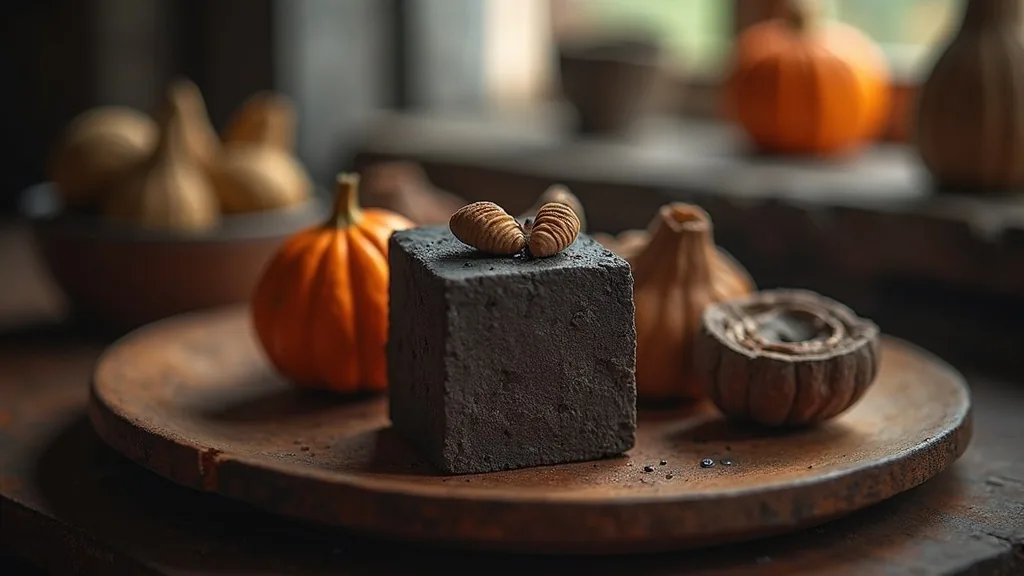
Premium Indonesian coconut-shell shisha charcoal cubes carry an FOB indicative wholesale price of USD 1,000-1,600 per metric ton as of 2026, grade and volume dependent; a written quote confirms. That translates to roughly USD 1.00-1.60 per kilogram, or about USD 18,000-29,600 for a standard 20-foot container loading 18-18.5 metric tons.
This page breaks that band into container economics, per-carton math, and the specification choices that decide whether you pay the bottom or the top of it. No number here is a guaranteed price — every figure is planning math until it lands in a written quote.
What Does Shisha Charcoal Cost Wholesale From Indonesia?
Indonesia is the world’s number-one producer of coconut-shell charcoal briquettes, which makes it the reference market for hookah cube pricing worldwide. Briquetting is concentrated in Central Java workshops around Magelang, Jepara, Semarang, and the Yogyakarta area, with additional plants in Sulawesi, where much of the raw shell supply is drawn from.
Here is how the 2026 market maps out:
| Product tier | Typical lab-report range | Indicative FOB, as of 2026 |
|---|---|---|
| Premium 25/26mm cube, low ash | Ash 1.6-2.2%, moisture at or below 5% | USD 1,000-1,600/MT (our working band) |
| Standard 100% coconut-shell | Ash under 2.5% | Around USD 950/MT (observed supplier listings) |
| Coconut-wood mix | Higher ash, shorter burn | Around USD 550/MT (observed supplier listings) |
The two lower rows are market context drawn from published Indonesian supplier listings as of 2026 — observed numbers, not our offer. Our working band is the premium row, and it stays indicative: grade and volume dependent, confirmed only in writing.
What the premium band typically buys, framed as lab-report ranges rather than promises: ash content of 1.6-2.2% in top grades, with under 2.5% marking the accepted premium threshold; moisture at or below 5%; and burn time of 2 to 2.5+ hours per session under controlled conditions, with quality 25mm cubes commonly documented at 90-120 minutes per piece. One 2026 market report puts natural coconut charcoal at 35-55% less ash than quick-light alternatives and projects roughly 7.1% annual growth for coconut-shell charcoal through 2034 — demand pressure that keeps premium grades from drifting cheaper.
How Does Container Volume Change Your Cost Per Carton?
Wholesale charcoal is bought by the container, so the useful math is per box, not per ton. Standard export packaging is a 10 kg master box holding ten 1 kg inner cartons, with inner-plastic or heat-sealed bag options and desiccants for humidity control on request.
| Load | Net weight | Indicative FOB value | Per 10 kg master box | Per 1 kg inner carton |
|---|---|---|---|---|
| 20-foot container | 18-18.5 MT unpalletized | USD 18,000-29,600 | USD 10.00-16.00 | USD 1.00-1.60 |
| 40-foot container | About 25.5 MT | USD 25,500-40,800 | USD 10.00-16.00 | USD 1.00-1.60 |
Two things to plan around. First, FOB excludes ocean freight, insurance, duty, and delivery: sea freight runs weeks to the UAE and longer to Europe, so lounges and brands stocking for Ramadan and festival peaks should order well ahead. Second, MOQ: as of 2026 the common minimum is one 20-foot container, though some suppliers accept pallet or trial-lot orders at a higher per-ton rate, and flexible MOQ programs for startup brands are a growing 2027 expectation.
What Moves the Price Inside the USD 1,000-1,600 Band?
Four levers explain most of the spread between two quotes for what looks like the same product:
- Ash grade. Top grades at 1.6-2.2% ash cost more to produce than product that merely clears the 2.5% premium threshold. Lower ash means less bowl management for the end customer, and lounges pay for that.
- Cube size and format. The Indonesian market runs 22, 25, 26, 27, and 28 mm cubes plus custom sizes; 25mm and 26mm are the workhorse hookah formats and price most competitively because production lines are tuned to them.
- Packaging and private label. Plain master boxes sit at the base of the band. Printed 1 kg retail inners, heat-sealed inner bags, desiccants, and full private-label branding each add cost per kilogram — usually recovered several times over at retail.
- Volume and program. A 40-foot container prices better per ton than a 20-foot; a standing monthly program prices better than a one-off order; trial lots price above container rates.
One caution from the buyer’s side: a quote far below the band usually is not the same product. Observed Indonesian listings as of 2026 showed coconut-wood mixes near USD 550/MT — higher ash, shorter burn, more odor. When a number looks too good, ask what shell percentage and ash range stand behind it, and ask for the lab report.
How Does Ordering Actually Work?
From first message to loaded container, the process runs in five steps:
- Send your specification. Cube size, target ash range, monthly or one-off volume, packaging and private-label needs, and destination port — by WhatsApp, email, or the quote form on this site.
- Receive a written FOB quote. The BD desk confirms grade availability with workshops in Java and Sulawesi and returns a written offer with validity period. Verbal numbers do not bind anyone; written ones do.
- Approve a sample. Samples can be handed over in Bali — meetings near Ngurah Rai and Denpasar are routine — or couriered to you. Factory visits to Java and Sulawesi can be arranged from Bali for larger programs.
- Confirm and pay the deposit. Common terms as of 2026 are telegraphic transfer or letter of credit, frequently 30% deposit with 70% against the bill-of-lading copy.
- Production, loading, documents. Cargo ships as general sea cargo from ports such as Tanjung Mas (Semarang), Tanjung Priok (Jakarta), Tanjung Perak (Surabaya), or Belawan (Medan), with commercial invoice, packing list, certificate of origin, bill of lading, fumigation certificate where required, and MSDS on request.
Request a written wholesale quote
Send your cube size, ash target, volume, and destination port to the Juara Holding Group BD desk — WhatsApp +62 811-3941-4563 or [email protected] — and you get a written FOB quote you can hold us to, not a number that moves later. Part of Juara Holding Group, an Indonesian group operating from Bali across Indonesia since 2015.
Frequently Asked Questions
How much does a 20-foot container of shisha charcoal cost from Indonesia?
At the 2026 indicative band of USD 1,000-1,600 per metric ton FOB, a 20-foot container loading 18-18.5 metric tons of premium cubes works out to roughly USD 18,000-29,600 before freight and duty. Grade, cube size, and packaging move the final figure, so treat this as planning math and confirm the exact number with a written quote.
Why do wholesale price quotes for Indonesian shisha charcoal vary so widely?
The spread mostly reflects raw material and grade. As of 2026, observed Indonesian listings showed 100% coconut-shell charcoal around USD 950/MT and coconut-wood mixes near USD 550/MT, while premium low-ash cube grades sit at an indicative USD 1,000-1,600/MT. Ash percentage, moisture, cube size, and packaging specification explain most of the gap between two quotes.
Does the FOB price include shipping to my port?
No. FOB covers the goods cleared and loaded at an Indonesian port such as Tanjung Mas in Semarang, Tanjung Priok in Jakarta, Tanjung Perak in Surabaya, or Belawan in Medan. Ocean freight, insurance, import duty, and local delivery come on top. Ask the BD desk to calculate CIF or CFR to your destination when comparing offers.
Can I get a lower shisha charcoal price for bigger volumes?
Volume is one of the strongest levers inside the band. A 40-foot container carrying about 25.5 metric tons prices better per ton than a 20-foot load, and a standing monthly program improves terms further. Trial lots and pallet orders usually price above container rates. Every volume tier is confirmed in writing, never verbally.
What payment terms are normal at these wholesale prices?
As of 2026, Indonesian charcoal exporters commonly work on telegraphic transfer or letter of credit, frequently structured as a 30% deposit with the remaining 70% paid against the bill-of-lading copy. The standard document pack includes commercial invoice, packing list, certificate of origin, bill of lading, fumigation certificate where required, and MSDS on request.